
The Dynamics of Grieving
When a person you love dies, it's natural to feel sorrow, express grief, and expect friends and family to provide understanding and comfort.
Unfortunately, many consider grieving the loss of "just a pet" inappropriate which couldn't be further from the truth.
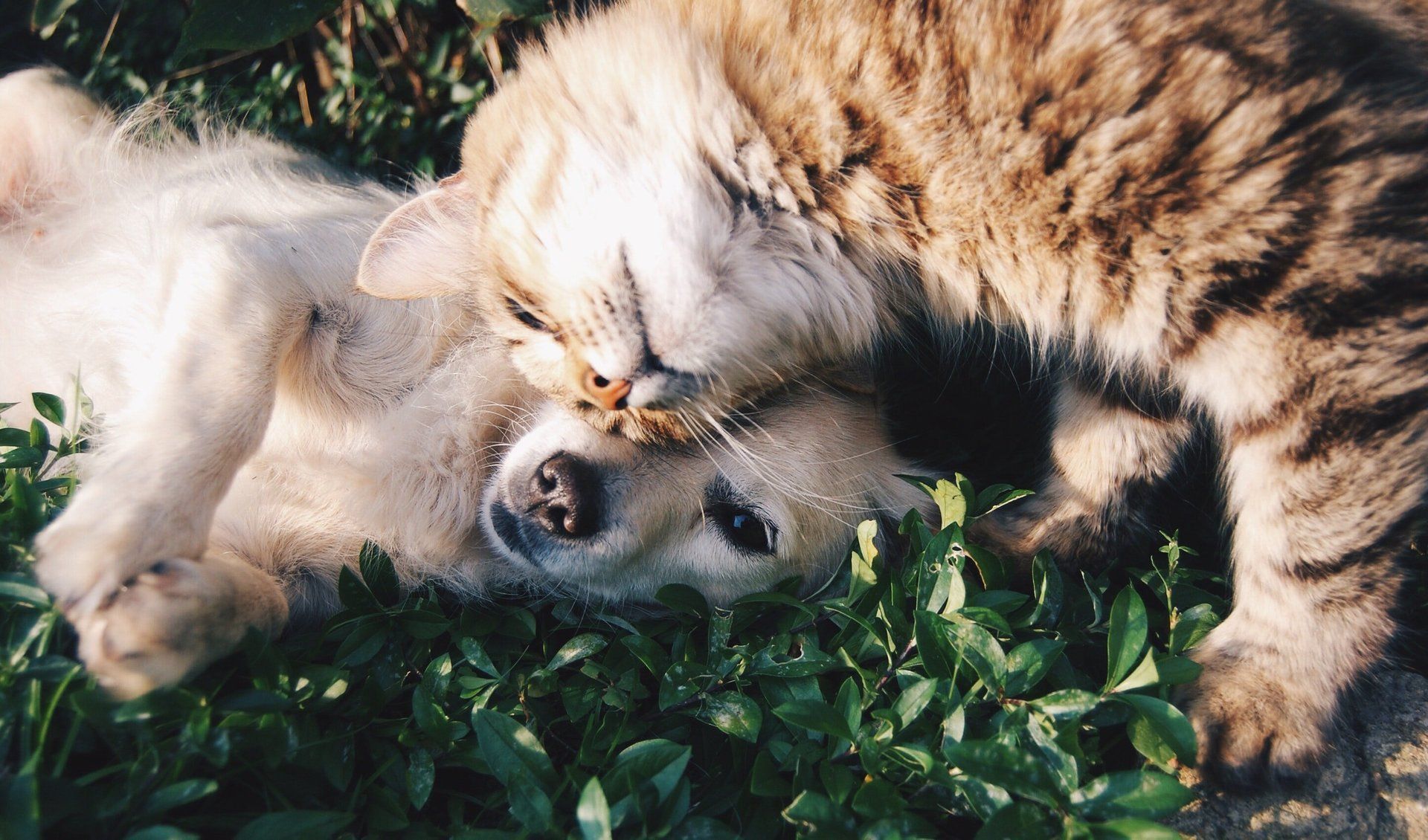
People love their pets and consider them members of their family; they celebrate their pets' birthdays, confide in their animals, and carry pictures of them in their wallets.
So, when a beloved pet dies, it's not unusual to feel overwhelmed by the intensity of sorrow.
What is the Grief Process?
The grief process is as individual as the person, lasting days for one person or years for another. The process typically begins with denial, which offers protection until individuals can recognize their loss.
While grief is a personal experience, you need not face loss alone. Many forms of support are available including pet bereavement counseling services, pet-loss support hotlines, local or online bereavement groups, books, videos, and magazine articles.
What Can I Expect?
George Bonanno, a professor of clinical psychology at Columbia University, conducted more than two decades of scientific studies on grief and trauma. Subjects of his studies number in the several thousand and include people who have suffered losses in the U.S. and cross-cultural studies in various countries around the world. His subjects suffered losses through war, terrorism, deaths of children, premature deaths of spouses, sexual abuse, childhood diagnoses of AIDS, and other potentially devastating loss events or potential trauma events.
In his book, The Other Side of Sadness: What the New Science of Bereavement Tells Us About Life After a Loss he summarizes his research. Because grief responses can take many forms, including laughter, celebration, and bawdiness, in addition to sadness. Bonanno coined the phrase "coping ugly" to describe the idea that some forms of coping may seem odd, bizarre, or yes, downright ugly. And you should know this: there is no right or wrong way to mourn a loss. There’s just your way.
What Can I Do for My Child?
The loss of a pet may be a child's first experience with death. The child may blame himself, his parents, or the veterinarian for not saving the pet.
He may also feel guilty, depressed, and frightened that others he loves may be taken away from him.
Trying to protect your child by saying the pet ran away could cause the child to expect the pet's return and feel betrayed after discovering the truth. Expressing your own grief may reassure your child that sadness is okay and help him work through his feelings.
Who should be present during euthanasia?
Many people wish to be present during their pet's euthanasia to say good-bye, to prevent feeling guilty for 'abandoning' their pet, and to know what the death was like so they will not wonder about it in the future. Each individual, however, will need to decide for him or herself whether they want to be there during the procedure. Sometimes family or friends may encourage you one way or another but ultimately it is your decision and you need to do what is best for you.
You are NOT abandoning your pet if you decide not to be present during the euthanasia. Your pet has experienced your love throughout his life and if he could talk, he would no doubt say he understands. Your pet will not be alone; the veterinarian and staff will be there talking to and petting him during the procedure.
People say good-bye to their pet in many ways and at different times during euthanasia. You may:
Say good-bye before your pet enters the exam room.
Accompany your pet into the room, say good-bye prior to the euthanasia, and then leave before it is performed.
Say good-bye in the exam room prior to the euthanasia, leave, and then return to the exam room afterward to say your final good-bye.
Be present at the euthanasia and say good-bye during the procedure.
Again, in many cases, the individual family members may wish to have some time alone with the pet before and/or after the euthanasia to say their personal good-byes.

Five Ways to Remember Your Pet
1. Hold a memorial service
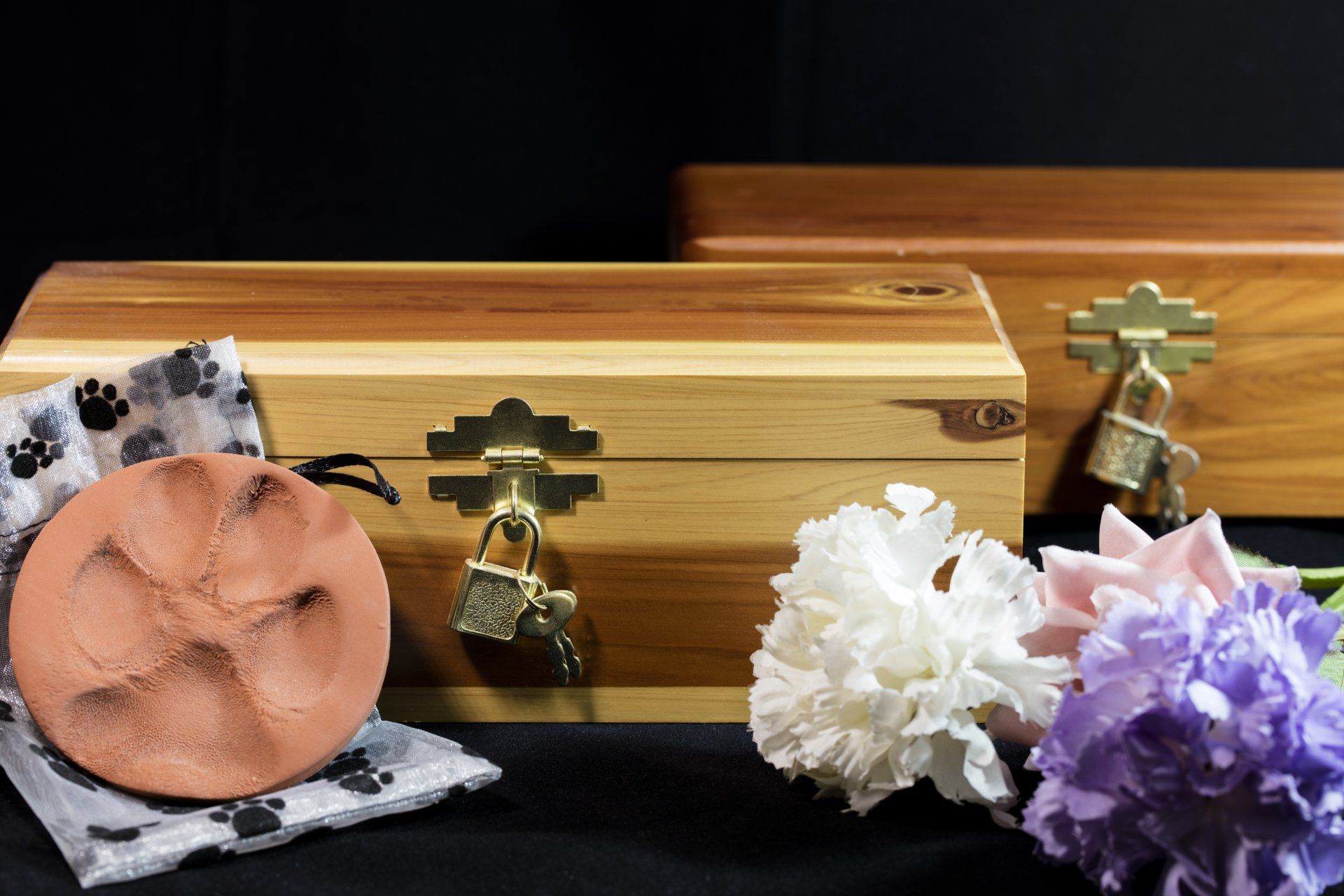
2. Find a special place for your pet's ashes
3. Create a living memorial
4. Make a scrapbook
5. Write down your feelings
Moira Allen has developed a great brochure that may help you or someone you love. Please click here to download the brochure.



The process of grief includes:
Feelings
Most people who grieve experience these emotions: sadness, anger, disbelief, numbness, relief, and guilt. They may come and go, or appear unexpectedly in response to a “cue”: something that reminds you of the pet, or person, or thing, you lost. It may be scary to experience such a wide range of emotions, or to feel them with such intensity, as you adjust to the loss you have experienced. But, all are part of the grief experience.
Random Thoughts
People who are grieving may experience many unfamiliar thoughts. A sense of disbelief or confusion, preoccupation with thoughts of the loved one who has died, disorientation, or even a sense of “presence” of their loved one may be experienced. Being “preoccupied” in this way is distracting, so take extra care when driving, crossing the street, or walking down stairs.
Physical Sensations
As C.S. Lewis described, his experience of grief felt like fear. Often after a loved one dies, people describe feeling “hollowness” in the chest, tightness in the stomach; increased sensitivity to noise or touch, weakness, and a loss of energy. It is important to remember that these, too, are normal experiences, particularly in the early days and weeks after the death of a beloved pet.
Odd Behaviors
It is common to experience changes in sleep or appetite patterns. There may also be a sense of social withdrawal, as the energy it takes to interact seems taxing. It is normal to feel disoriented and exhausted. You may feel that no one else understands what you are going through. Some people have vivid dreams, cry constantly or can’t cry at all.
Understandably, any combination of the above behaviors can cause the person who is grieving to feel a loss of control and to wonder if life will ever again have stability or meaning. While these experiences may not be normal for your “normal” life, they are normal for the grief experience, and they will pass.
For a deeper understanding, see how we can help.